Bachelorarbeit
Algorithmic management systems increasingly shape how work is coordinated, monitored, and evaluated across platform based and traditional organizational settings (Alizadeh et al., 2025; Benlian et al., 2022). While prior research has predominantly examined algorithmic management as a form of top down control, emerging studies explore how such systems can be opened up to participation, collective influence, and alternative governance arrangements (Dörr et al., 2026; Hsieh et al., 2025; Lee et al., 2015). However, existing insights remain fragmented across disciplines and empirical contexts.
The goal of this thesis is to conduct a structured literature (Paré et al., 2015; Webster & Watson, 2002) review on participatory and collective approaches to algorithmic management. The review will systematically identify and analyze academic work that examines interventions and governance practices aimed at involving workers or their representatives in the design, implementation, or oversight of algorithmic systems. Relevant examples may include participatory design processes, transparency and explanation mechanisms, feedback and contestation channels, collective bargaining over data driven performance metrics, worker data cooperatives, and co determination structures in digitally mediated work environments.
The review will synthesize this literature along central analytical dimensions such as forms of participation, level of analysis, institutional context, and reported organizational or worker related effects. Based on this synthesis, the thesis will develop a conceptual framework that structures existing knowledge and identifies promising avenues for future research on more inclusive and collectively governed forms of algorithmic management.
Method: Structured literature review including systematic search, screening, and synthesis.
Fachgebiet Information Systems & E-Services
Betreuer/in: Armin Alizadeh, M. Sc.
Bachelorarbeit
Auf der Internetseite des Fachgebiets finden Sie alle weiteren Informationen über die Themen, die Bearbeitungszeit und das Bewerbungsverfahren.
Fachgebiet Unternehmensfinanzierung
Betreuer/in: Prof. Dr. Dirk Schiereck
Bachelorarbeit
Fachgebiet Produktion und Supply Chain Management
Betreuer/innen: Arne Falkenberg, M.Sc., Prof. Dr. Christoph Glock
Bachelorarbeit, Masterarbeit, Masterarbeit (15 CP), Masterarbeit (30 CP)
Fachgebiet Produktion und Supply Chain Management
Betreuer/innen: Arne Falkenberg, M.Sc., Prof. Dr. Christoph Glock
Bachelorarbeit, Masterarbeit, Masterarbeit (15 CP), Masterarbeit (30 CP)
Fachgebiet Produktion und Supply Chain Management
Betreuer/innen: Arne Falkenberg, M.Sc., Prof. Dr. Christoph Glock
Bachelorarbeit
Fachgebiet Produktion und Supply Chain Management
Betreuer/innen: Ali Heidari, M.Sc., Prof. Dr. Christoph Glock
Masterarbeit, Masterarbeit (15 CP), Masterarbeit (30 CP)
Fachgebiet Produktion und Supply Chain Management
Betreuer/innen: Ali Heidari, M.Sc., Prof. Dr. Christoph Glock
Bachelorarbeit
In Anbetracht des Klimawandels und der damit verbundenen Bestrebungen, den Transport von Gütern klimafreundlicher zu gestalten, gewinnt der Schienenverkehr zunehmend an Bedeutung. Durch seine Energieeffizienz und den geringen Ausstoß von CO2 verglichen mit anderen Transportmodi wie dem Straßen- oder Luftverkehr, hat der Schienenverkehr das Potenzial entscheidend zur Dekarbonisierung des Transportsektors beizutragen.
Australien und Deutschland stellen in diesem Kontext zwei kontrastierende Fallbeispiele dar: Während Australien durch große Distanzen, geringe Bevölkerungsdichte und eine starke Rohstofforientierung des Güterverkehrs gekennzeichnet ist, weist Deutschland ein dichtes Verkehrsnetz, hohe Verkehrsintensitäten und eine stark industrialisierte sowie exportorientierte Wirtschaft auf. Trotz dieser Unterschiede stehen beide Länder vor ähnlichen Herausforderungen, etwa im Hinblick auf Effizienzsteigerungen, Kapazitätsengpässe, Klimaschutzanforderungen und die Integration neuer Technologien.
Forschungsziel
Ziel dieser Abschlussarbeit ist es, einen Vergleich des Schienengüterverkehrs Australiens mit dem deutschen Schienengüterverkehr zu erarbeiten und basierend darauf Handlungsempfehlungen für den Schienenverkehr in Deutschland abzuleiten. Hierzu soll zunächst ein Überblick über bereits vorhandene Literatur gegeben werden, die den internationalen Vergleich des Schienenverkehrs verschiedener Volkswirtschaften zum Gegenstand hat. Anschließend sollen basierend auf einer systematischen Internet- und Literaturrecherche die Charakteristika des Schienengüterverkehrs beschrieben und erläutert werden. Hierauf aufbauend soll dann ein systematischer Vergleich des Schienengüterverkehrs zwischen Deutschland und Australien durchgeführt werden und daraus die Übertragbarkeit verschiedener Maßnahmen und Erkenntnisse in Form von Handlungsempfehlungen bewertet und diskutiert werden.
Mögliche Forschungsfragen:
- Anhand welcher Dimensionen lässt sich der Schienengüterverkehr charakterisieren und vergleichen?
- Was charakterisiert den Schienenverkehr in Deutschland und in Australien?
- Wie unterscheidet sich der Schienenverkehr in den betrachteten Ländern?
- Welche Konzepte und Maßnahmen und ergreifen die jeweiligen Länder, um den Schienenverkehr zu stärken?
- Welche dieser Maßnahmen lassen sich auf Deutschland bzw. Australien übertragen? Welche Auswirkungen könnten diese Maßnahmen haben?
Literatur
- Clausen, U., & Voll, R. (2013). A comparison of North American and European railway systems. European Transport Research Review, 5(3), 129–133. https://doi.org/10.1007/s12544-013-0090-4
- Posner III H (2008) Rail freight in the USA: lessons for continental Europe. CER Essay Series
- Kurosaki, F., & Okuda, K. (2013). On-Rail Competition in Korea: A Comparison with Railways in Japan and Europe. Journal of the Eastern Asia Society for Transportation Studies, 10, 392–411. https://doi.org/10.11175/easts.10.392
Rahmenbedingungen
Bei Interesse an der Abschlussarbeit schicken Sie bitte einen aktuellen Leistungsspiegel an Paul Bossong. In einem persönlichen Gespräch können die Modalitäten und der Fokus der Arbeit entsprechend der persönlichen Präferenzen besprochen werden.
Fachgebiet Unternehmensführung und Logistik
Betreuer/in: Paul Bossong, M.Sc.
Bachelorarbeit, Masterarbeit
Overview
Agile information systems development (ISD) is increasingly used in large organizations, where multiple teams, planning cycles, and organizational requirements come together. In such large-scale agile settings, work is shaped by different and often conflicting time structures, such as sprint rhythms, release cycles, and frequent reprioritizations.
Product Owners (POs) play a key role in these settings, as they coordinate between teams, stakeholders, and management. Their daily work involves dealing with temporal complexity, for example by balancing short-term sprint goals with long-term product planning. However, little is known about how Product Owners actually manage these temporal challenges in practice.
The goal of this thesis is to explore how Product Owners experience and manage temporal complexity in large-scale agile ISD settings. The thesis will be based on qualitative interviews with Product Owners and focuses on identifying temporal tensions and how POs engage in temporal work to handle them.
Possible research questions include:
- What kinds of temporal complexity do Product Owners face in large-scale agile settings?
- How do Product Owners deal with competing rhythms and time horizons?
- How do they manage temporal tensions in their daily work?
Fachgebiet Information Systems & E-Services
Betreuer/in: Dr. Lea Müller-Fortmann
Bachelorarbeit
Motivation
Der Güterverkehr spielt eine zentrale Rolle für die wirtschaftliche Leistungsfähigkeit, die Versorgungssicherheit sowie die ökologische Nachhaltigkeit moderner Volkswirtschaften. Nationale Gütertransportmärkte sind dabei stark von geografischen, wirtschaftlichen, politischen und infrastrukturellen Rahmenbedingungen geprägt. Insbesondere Länder mit sehr unterschiedlichen räumlichen und strukturellen Voraussetzungen bieten ein hohes Erkenntnispotenzial für vergleichende Analysen.
Australien und Deutschland stellen in diesem Kontext zwei kontrastierende Fallbeispiele dar: Während Australien durch große Distanzen, geringe Bevölkerungsdichte und eine starke Rohstofforientierung des Güterverkehrs gekennzeichnet ist, weist Deutschland ein dichtes Verkehrsnetz, hohe Verkehrsintensitäten und eine stark industrialisierte sowie exportorientierte Wirtschaft auf. Trotz dieser Unterschiede stehen beide Länder vor ähnlichen Herausforderungen, etwa im Hinblick auf Effizienzsteigerungen, Kapazitätsengpässe, Klimaschutzanforderungen und die Integration neuer Technologien.
Ein systematischer Vergleich der Gütertransportstrukturen beider Länder kann dazu beitragen, ein besseres Verständnis für die Wirkungszusammenhänge von Transportmärkten zu gewinnen und internationale „Best Practices“ zu identifizieren.
Zielsetzung
Ziel der Abschlussarbeit ist es, die Gütertransportstrukturen Australiens zu untersuchen, mit Deutschland zu vergleichen und daraus übertragbare Erkenntnisse abzuleiten. Ein zentrales Anliegen der Arbeit ist es, zunächst zu reflektieren, nach welchen Kriterien und mit welchen methodischen Ansätzen nationale Gütertransportmärkte sinnvoll charakterisiert und miteinander verglichen werden können. Auf dieser Grundlage soll eine geeignete Logik entwickelt werden, die sowohl strukturelle als auch institutionelle und wirtschaftliche Aspekte des Güterverkehrs berücksichtigt.
Darüber hinaus soll die Arbeit auf einer fundierten Literaturrecherche aufbauen, in der bestehende wissenschaftliche Beiträge zu internationalen Vergleichen von Transport- und Güterverkehrsmärkten systematisch zusammengetragen und eingeordnet werden. Diese dient sowohl der methodischen Einbettung als auch der inhaltlichen Kontextualisierung der eigenen Analyse.
Auf Basis der entwickelten methodischen Herangehensweise ist eine Analyse der Gütertransportstrukturen in Australien vorzunehmen. Diese Analyse soll einen Fokus auf den Straßengüterverkehr legen, aber alle Transportmodi umfassen. Abschließend soll untersucht werden, welche Maßnahmen, Strategien oder organisatorischen Ansätze im australischen Güterverkehr Anwendung finden und inwiefern diese grundsätzlich auf die deutschen Verhältnisse übertragbar erscheinen. Chancen, Grenzen und Voraussetzungen einer solchen Übertragbarkeit sollen abschließend kritisch reflektieren werden.
Literatur
OECD (2025): International Transport Forum. Annual transport trends compared across the globe. Online verfügbar unter https://www.itf-oecd.org/annual-transport-trends-compared-across-globe.
World Bank (2024): Logistics Performance Index (LPI). Online verfügbar unter https://lpi.worldbank.org/.
Goel, Asvin; Vidal, Thibaut (2014): Hours of Service Regulations in Road Freight Transport: An Optimization-Based International Assessment. In: Transportation Science 48 (3), S. 391–412. DOI: 10.1287/trsc.2013.0477.
Saeedi, Hamid; Wiegmans, Bart; Behdani, Behzad; Zuidwijk, Rob (2017): European intermodal freight transport network: Market structure analysis. In: Journal of Transport Geography 60, S. 141–154. DOI: 10.1016/j.jtrangeo.2017.03.002.
Rahmenbedingungen
Bei Interesse an der Abschlussarbeit schicken Sie bitte einen aktuellen Leistungsspiegel an Max Preisinger. In einem persönlichen Gespräch können die Modalitäten und der Fokus der Arbeit entsprechend der persönlichen Präferenzen besprochen werden. Mit der Bearbeitung kann nach Absprache zu nächstmöglichem Zeitpunkt begonnen werden.
Fachgebiet Unternehmensführung und Logistik
Betreuer/in: Max Preisinger, M.Sc.
Masterarbeit
Overview
Artificial Intelligence (AI) is fundamentally reshaping the automotive industry. However, the successful integration of AI technologies depends not only on technical infrastructure but significantly on the workforce's ability to utilize these tools effectively. In this context, AUMOVIO (formerly the Continental group sector Automotive) is driving digital transformation through targeted corporate learning initiatives. This thesis focuses on the critical intersection of human resources and technology management: evaluating the current state of AI adoption and enhancing AI competence (AI Literacy) within a corporate environment. The goal is to derive empirical insights and strategic frameworks to foster a future-ready workforce.
Additional Information
This thesis is carried out in a practical cooperation with the company AUMOVIO. The position is located in Babenhausen (hybrid work possible) and is scheduled to start in February/March 2025.
Fachgebiet Information Systems & E-Services
Betreuer/in: Prof. Dr. Alexander Benlian
26.11.2025
Bachelorarbeit
Fachgebiet Management Science / Operations Research
Betreuer/in: Constantin Wildt, M.Sc.
Bachelorarbeit
Fachgebiet Management Science / Operations Research
Betreuer/in: Constantin Wildt, M.Sc.
26.11.2025
Bachelorarbeit
Fachgebiet Management Science / Operations Research
Betreuer/in: Constantin Wildt, M.Sc.
Bachelorarbeit
Fachgebiet Management Science / Operations Research
Betreuer/in: Prof. Dr. Felix Weidinger
Bachelorarbeit
Fachgebiet Management Science / Operations Research
Betreuer/in: Prof. Dr. Felix Weidinger
26.11.2025
Bachelorarbeit, Masterarbeit
Fachgebiet Management Science / Operations Research
Betreuer/in: Prof. Dr. Felix Weidinger
21.07.2025
Masterarbeit
Fachgebiet Management Science / Operations Research
Betreuer/in: Constantin Wildt, M.Sc.
Bachelorarbeit
Fachgebiet Management Science / Operations Research
Betreuer/in: Constantin Wildt, M.Sc.
17.07.2025
Masterarbeit
Fachgebiet Management Science / Operations Research
Betreuer/in: Prof. Dr. Felix Weidinger
Bachelorarbeit
Fachgebiet Management Science / Operations Research
Betreuer/in: Prof. Dr. Felix Weidinger
Bachelorarbeit
Fachgebiet Management Science / Operations Research
Betreuer/in: Prof. Dr. Felix Weidinger
22.02.2024
Masterarbeit
Fachgebiet Wirtschaftsinformatik | Software & Digital Business
Betreuer/in: Anna Maria Schätzle, M.Sc.
22.02.2024
Masterarbeit
Fachgebiet Wirtschaftsinformatik | Software & Digital Business
Betreuer/in: Anna Maria Schätzle, M.Sc.
22.02.2024
Masterarbeit
Fachgebiet Wirtschaftsinformatik | Software & Digital Business
Betreuer/in: Anna Maria Schätzle, M.Sc.
Bachelorarbeit, Masterarbeit
Fachgebiet Wirtschaftsinformatik | Software & Digital Business
Bachelorarbeit, Masterarbeit
Fachgebiet Wirtschaftsinformatik | Software & Digital Business
Bachelorarbeit, Masterarbeit
Fachgebiet Wirtschaftsinformatik | Software & Digital Business
Masterarbeit (30 CP), Masterarbeit
Your task is to replicate the coding of an existing agent-based model using the platform “Repast Simphony”, or to code your model of choice using the platform “Repast Simphony” and analyse it. For the latter option, you may choose a textbook model you learned about during your studies, or a topic from another area of interest.
If you are interested please contact Michael Neugart via michael.neugart@tu-….
Fachgebiet Finanzwissenschaft und Wirtschaftspolitik
Betreuer/in: Prof. Dr. Michael Neugart
Masterarbeit (30 CP), Masterarbeit
Your task is to replicate an empirical research paper with the data used in the original publication and add further robustness analyses, or to replicate the research paper using similar data, e.g. from another country.
Guide for replication studies (wird in neuem Tab geöffnet)
If you are interested please contact Marcel Eckardt via marcel.eckardt@tu-… or Michael Neugart via michael.neugart@tu-…
Supervisor: Marcel Eckardt (M. Sc.) or Prof. Dr. Michael Neugart
Fachgebiet Finanzwissenschaft und Wirtschaftspolitik
Bachelorarbeit, Masterarbeit
Fachgebiet Wirtschaftsinformatik | Software & Digital Business
Bachelorarbeit, Masterarbeit
Fachgebiet Wirtschaftsinformatik | Software & Digital Business
03.09.2021
Bachelorarbeit, Masterarbeit
Fachgebiet Wirtschaftsinformatik | Software & Digital Business
Betreuer/in: Dr. Mariska Fecho
03.09.2021
Bachelorarbeit, Masterarbeit
Fachgebiet Wirtschaftsinformatik | Software & Digital Business
Masterarbeit
Fachgebiet Wirtschaftsinformatik | Software & Digital Business
Betreuer/innen: Dr. Amina Wagner, Dr. Anne Zöll
Abschlussarbeiten im Bereich IT-Management
In Kooperation mit Campana & Schott
18.10.2020
Bachelorarbeit, Masterarbeit (15 CP)
Fachgebiet Wirtschaftsinformatik | Software & Digital Business
Betreuer/in: Dr. Nihal Wahl
Masterarbeit
Hintergrund:
Um die in der Logistik immer wieder auftretenden kombinatorischen Probleme möglichst schnell und gut zu lösen wird häufig auf Heuristiken als Lösungsverfahren (Solver) zurückgegriffen. Die besten Lösungsverfahren sind jedoch häufig Meta-Solver: diese bestehen aus mehreren Heuristiken sowie einem KI-Verfahren das für jede Instanz die beste Heuristik auswählt.
Hier sollen die Verfahren auf autonome Gabelstapler in einem Lagerhaus angewendet werden.
Ziel ist es, dass die Gabelstapler in möglichst kurzer Zeit alle Aufträge erfüllen. Jedoch besteht das Problem, dass die Gabelstapler in den Gängen der Regale nicht aneinander vorbeifahren können.
Ziel:
Ziel dieser Arbeit ist es einen Meta-Solver zu implementieren und zu testen.
Dazu müssen Sie bereit sein die Programmiersprache C# zu lernen, einige Heuristiken zu implementieren und mit den Machine-Learning Bibliotheken aus C# zu implementieren.
Es wird ein sinnvolles Testen der implementierten Heuristiken und des Meta-Solvers sowie eine wissenschaftliche Einordnung der Methoden sowie eine wirtschaftswissenschaftliche Einordnung des konkreten Optimierungsproblems für den Unternehmenserfolg erwartet.
Betreuer/in: M. Sc. Lukas Polten
Bewerbung: Bitte nutzen Sie zur für Ihre Bewerbung unser Bewerbungsformular. Das Formular sowie weitere Informationen zu den Abschlussarbeiten unseres Lehrstuhls sind auf unserer Website unter der Rubrik Lehre » Abschlussarbeiten zu finden.
Bachelorarbeit, Masterarbeit
Hintergrund: Die meisten praxisrelevanten Optimierungsprobleme sind ganzzahliger bzw. kombinatorischer Natur, z.B. Tourenplanungs-, Maschinenbelegungs- oder Projektplanungsprobleme. Moderne kommerzielle Solver sind mittlerweile in der Lage, eine Vielzahl solcher Probleme mit akzeptablen Aufwand zumindest näherungsweise zu lösen. Bei großen (realistischen) Instanzen scheitern die Standard-Lösungsverfahren jedoch oft, optimale Lösungen zu finden.
In jüngerer Vergangenheit drängen sogenannte „local solver“ auf den Markt, die – ähnlich wie klassische Solver – eine breite Klasse von Optimierungsproblemen lösen können, ohne jedoch den Anspruch zu haben, zwangsläufig eine optimale Lösung zu finden. Local solver sind von vornherein als Heuristiken angelegt.
Ziel:Ziel dieser Arbeit ist es, mehrere kommerzielle Standard-Optimierer zu vergleichen. Insbesondere sollen klassische exakte Solver mit neueren heuristischen Solvern verglichen werden. Die Bereitschaft, sich in die jeweiligen Softwarepakete einzuarbeiten, ist nötig.
Betreuer/in: Jun.-Prof. Dr. Simon Emde
Bewerbung: Bitte nutzen Sie zur für Ihre Bewerbung unser Bewerbungsformular. Das Formular sowie weitere Informationen zu den Abschlussarbeiten unseres Lehrstuhls sind auf unserer Website unter der Rubrik Lehre » Abschlussarbeiten zu finden.
Betreuer/in: Prof. Dr. Simon Emde
02.03.2016
Bachelorarbeit, Studienarbeit
Auf unserer Homepage finden Sie aktuelle Themen, die zur Bearbeitung für Abschlussarbeiten stehen.
Gerne können auch eigene Themenvorschläge eingereicht werden. Bitte wenden Sie sich dazu an wirz@marly.de oder an prinz@marly.de
Fachgebiet Zivilrecht, Gewerblicher Rechtsschutz und Urheberrecht sowie Recht der Informationsgesellschaft
Betreuer/innen: Dr. jur. Anna-Lena Fehr, geb. Wirz, RA Matthias Prinz
02.03.2016
Bachelorarbeit, Studienarbeit
Betreuer/innen: Dr. jur. Anna-Lena Fehr, geb. Wirz, RA Matthias Prinz
Bachelorarbeit, Masterarbeit, Studienarbeit
Hintergrund: Topologische Netzwerk Zentralitätsmaße1 sowie Konzentrationsmaße finden breite Anwendung in verschiedensten Bereichen. So ist es beispielsweise möglich mittels einfacher Zentralitätsmaße Aussagen über die Effizienz oder das Verhalten des Netzwerkes hinsichtlich von Ausfällen zu treffen.
Zielstellung: In der Arbeit soll das aus den einzelnen Verbindungen entstehende Netzwerk mittels topologische Maße und Methoden untersucht werden2. Zunächst sollen geeignete Maße und Metriken für den zu untersuchenden Kontext identifiziert werden. Diese werden dann mittels eines Datensatzes zu Verbindungen und eines Analyse-Tools ausgewertet. Ziel einer solchen Arbeit ist es dann, anhand der identifizierten Struktureigenschaften Rückschlüsse auf die Eigenschaften zu ziehen.
Bereiche: Derzeit können folgende Themen bearbeitet werden mit den Schwerpunkten Fernbusnetzwerk in Deutschland, sowie in anderen europäischen Ländern und ICE/IC/EC-Netzwerk in Deutschland.
Für Fragen steht Ihnen Tobias Bier gerne zur Verfügung.
1:Freeman, Linton C., Stephen P. Borgatti, and Douglas R. White. „Centrality in valued graphs: A measure of betweenness based on network flow.“ Social networks 13.2 (1991): 141-154.
2:Guimera, Roger, et al. „The worldwide air transportation network: Anomalous centrality, community structure, and cities' global roles.“ Proceedings of the National Academy of Sciences 102.22 (2005): 7794-7799.
Betreuer/in: Dipl.-Phys. Tobias Bier

Rechts- und Wirtschaftswissenschaften
Themen für Abschlussarbeiten
Themen für Abschlussarbeiten
Hier sind alle Themen aufgelistet, die aktuell von einigen Fachgebieten unseres Fachbereichs zur Anfertigung einer Abschlussarbeit angeboten werden. Es ist zu beachten, dass nicht alle Fachgebiete die offenen Themen für ihre Abschlussarbeiten über diese Funktion ausschreiben.
Kontakt
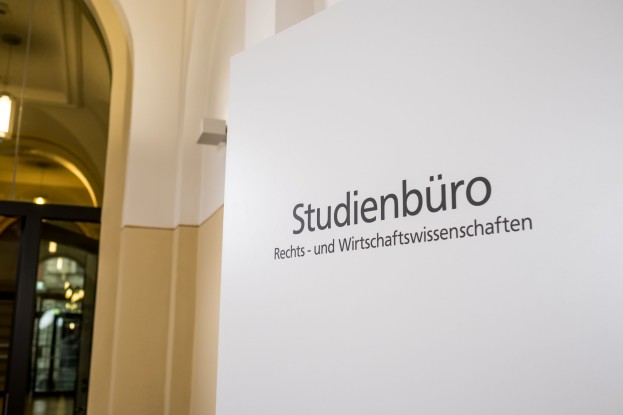
Studienbüro
work +49 6151 16-575 91 / -92
fax +49 6151 16-57585
Work
S1|03 81
Hochschulstraße 1
64289
Darmstadt
- Nutzen Sie unser Kontaktformular
Öffnungszeiten
- Dienstag, 09:00 – 11:00 (nur während der Vorlesungszeit)
- Mittwoch 11:00 – 13:00
Telefonsprechstunde
- Donnerstag 13:00 – 15:00
Telefonnummer: + 49 6151-16 57591